

















The honest answer is that Mikumi is a year-round park. The main floodplain circuit never closes, and because the park sits at a lower altitude than the northern circuit, mornings are rarely cold. But the experience changes a lot through the year. Here is what each season is like from our side of the ridge.
June to October: the dry season
This is peak season and the easiest wildlife viewing. The grass on the Mkata floodplain is short and golden, water is scarce, and elephants, buffalo, zebra and wildebeest gather at the remaining pools. Lions follow them. Days are warm and dry, nights pleasantly cool — bring a fleece for the dawn game drive in July and August.
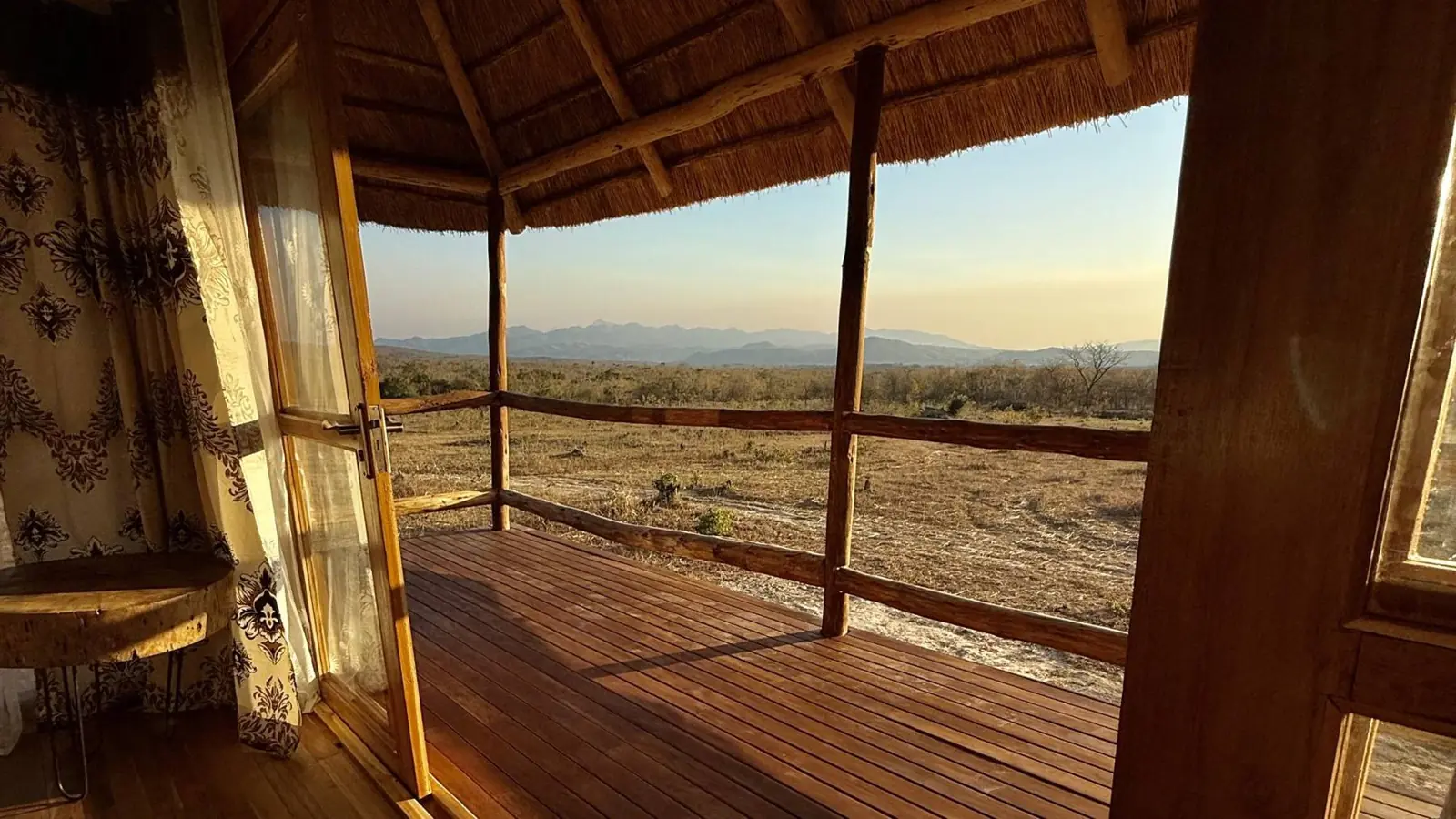
Book early for this period, especially the school holidays. Our two Mountain View rooms go first.
November and December: the short rains
Short, dramatic afternoon showers roll in from the Uluguru Mountains, the floodplain turns green within days and the migrant birds arrive. Game viewing is still good, the park is quiet, and the view of the Mikumi mountain ridge after a storm is the best of the year. Christmas and New Year are busy; the rest of these months are not.
January and February: the dry spell
A short, hot dry break between the rains. The grass is still green but the animals concentrate again around water. Fewer visitors than in July–August, and a good compromise between scenery and sightings.
March to May: the long rains
The wettest months. The bush is at its most beautiful — tall grass, flowering trees, newborn impala and warthog piglets — and prices are at their lowest. Some tracks in the southern miombo woodland become muddy, but the floodplain circuit stays open and the hippo pools are full. Birders love this season. Pack a rain jacket and expect a few heavy showers, usually in the afternoon.
Our pick
- For first-timers and families: June to October. Easy sightings, comfortable weather.
- For photographers: November to February. Green landscapes, dramatic skies, far fewer vehicles.
- For value: March to May. Lowest rates, the park almost to yourself.
Whenever you come, the pattern of a day is the same: out at first light while the predators are moving, back for breakfast, a quiet afternoon on your deck, and out again at 15:30 until sunset.
Ready to pick a date? See our safari packages or read how to get here.